Beer Fermentation: The Magical Part Where Yeast Does Its Thing
You can mash grains, boil hops and design the perfect recipe… but none of it becomes beer until fermentation kicks in. That’s the moment where things really come to life.
Beer fermentation is where yeast steps up, eats the sugars created during brewing, and turns them into alcohol, carbon dioxide and a whole lot of flavour. Without it, you’d just be left with a sweet, slightly sad pot of grain tea.
So while brewers spend plenty of time obsessing over hops, malts and water chemistry, fermentation is where the real personality of a beer is born.
What Actually Happens During Beer Fermentation?
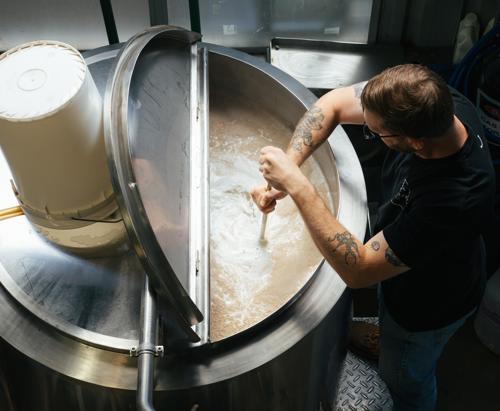
Once the wort (that’s brewer-speak for the sugary liquid extracted from malted grains) has been boiled and cooled, yeast is added. This step is called “pitching the yeast”.
From there, the tiny microbes get to work.
During beer fermentation, yeast consumes sugars and produces two key things:
- Alcohol – the bit that turns a soft drink into a beer
- Carbon dioxide – the bubbles that give beer its sparkle
But yeast doesn’t stop there. As it ferments, it also produces a range of flavour compounds that help shape the final beer. Some strains create fruity aromas, others bring spicy notes, and some keep things super clean and crisp.
That’s why fermentation is such a big deal for brewers. The same ingredients can taste completely different depending on how fermentation is handled.
The Two Main Styles of Fermentation
Most of the different types of beer you see on tap fall into two broad fermentation categories.
Ale Fermentation
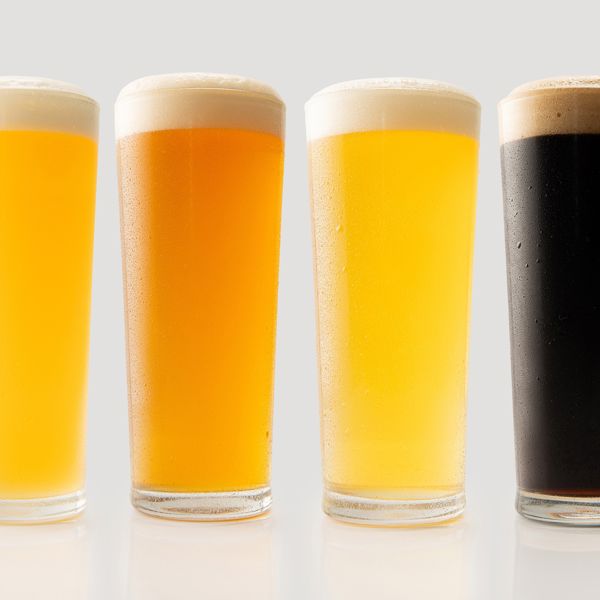
Ale yeasts ferment at warmer temperatures, usually somewhere between 16-24°C. They tend to work quickly and produce expressive flavours like fruit, citrus or spice. This style of fermentation gives us beers like pale ales, IPAs, stouts, porters and hazy ales (a huge chunk of the modern craft beer world!).
Lager Fermentation
Lager yeast prefers cooler temperatures, usually around 7-13°C. It works slower and produces a much cleaner flavour profile. That’s why lagers tend to taste crisp, smooth and refreshing rather than fruity or punchy. Classic lagers, pilsners and many easy-drinking session beers come from this cooler fermentation approach.
Here’s Why Fermentation is a Brewer’s Playground
For brewers, beer fermentation is where science meets creativity.
A small tweak to fermentation temperature can change the flavour of a beer. Choosing a different yeast strain can completely reshape the aroma profile. Even the amount of oxygen present at the start of fermentation can influence the final result.
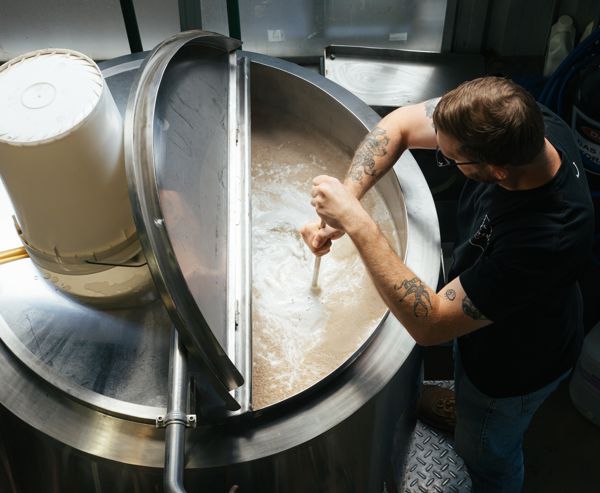
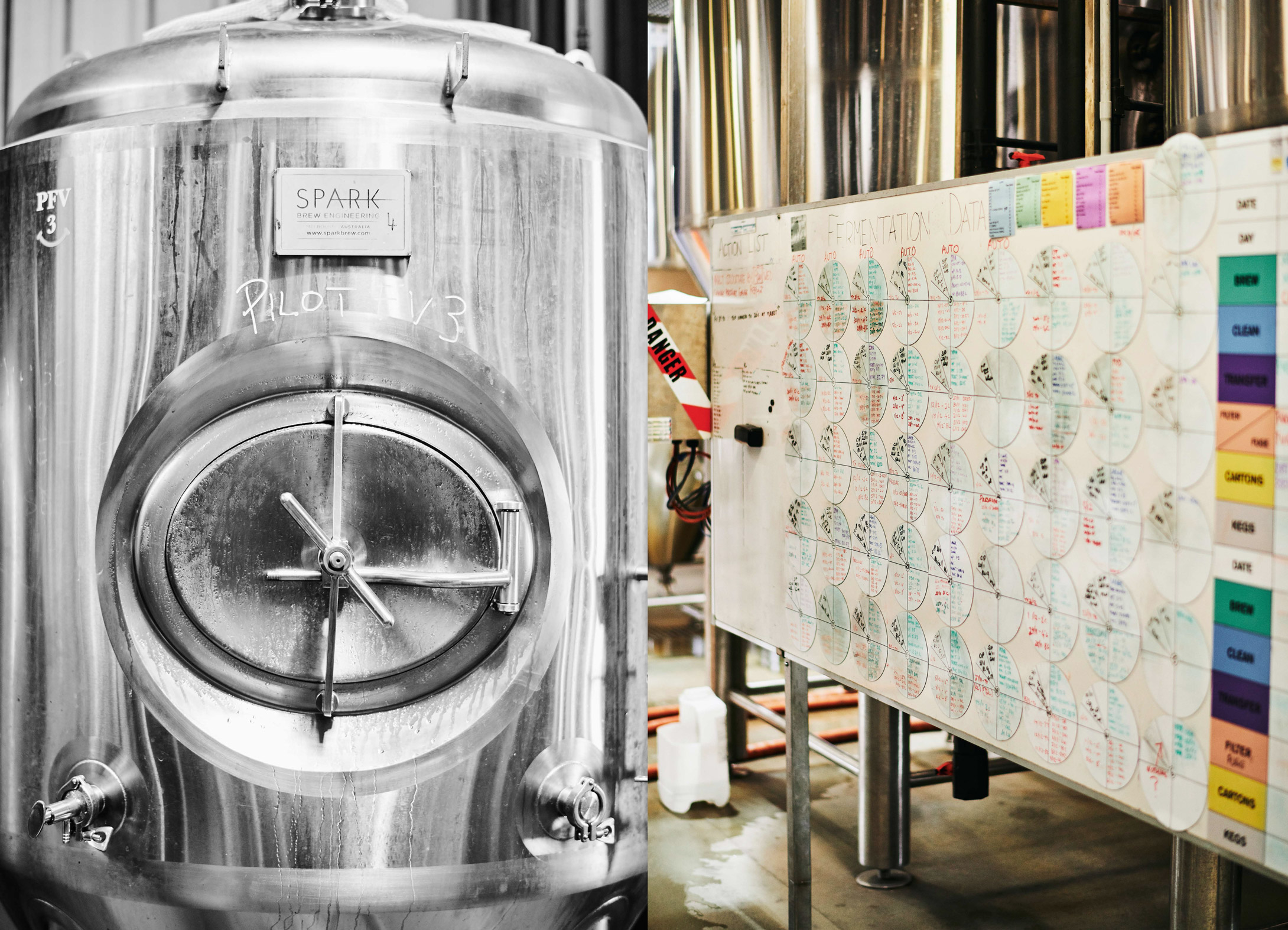
That’s why fermentation tanks in a brewery are treated like sacred ground. Once the yeast is pitched, brewers watch things closely, monitoring temperature, pressure and fermentation activity to keep everything humming along nicely.
Think of it like raising a very energetic pet that also happens to make beer.
Time, Patience and Good Yeast
Fermentation doesn’t happen instantly. Depending on the style, primary beer fermentation can take anywhere from a few days to a couple of weeks. After that, many beers are conditioned or matured for additional time so flavours can settle and balance out.
Rushing this stage is a quick way to make average beer… great brewers know when to step in and when to let yeast quietly do its job.
The Balter approach to fermentation
At Balter, fermentation is one of the things we obsess over (in a healthy, beer-loving kind of way).
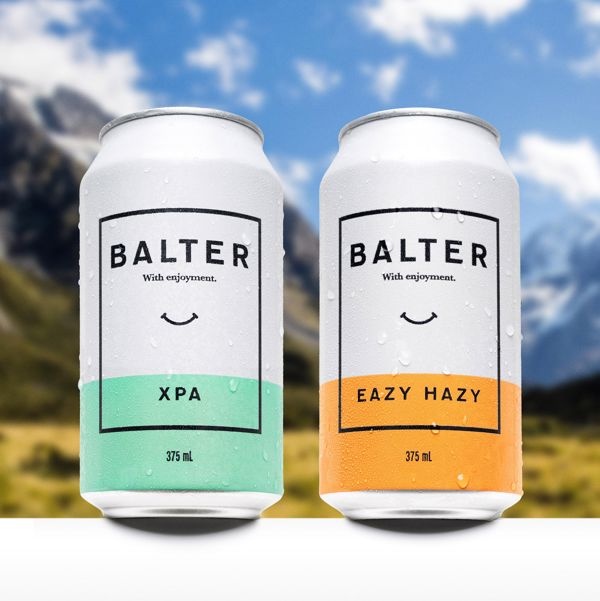
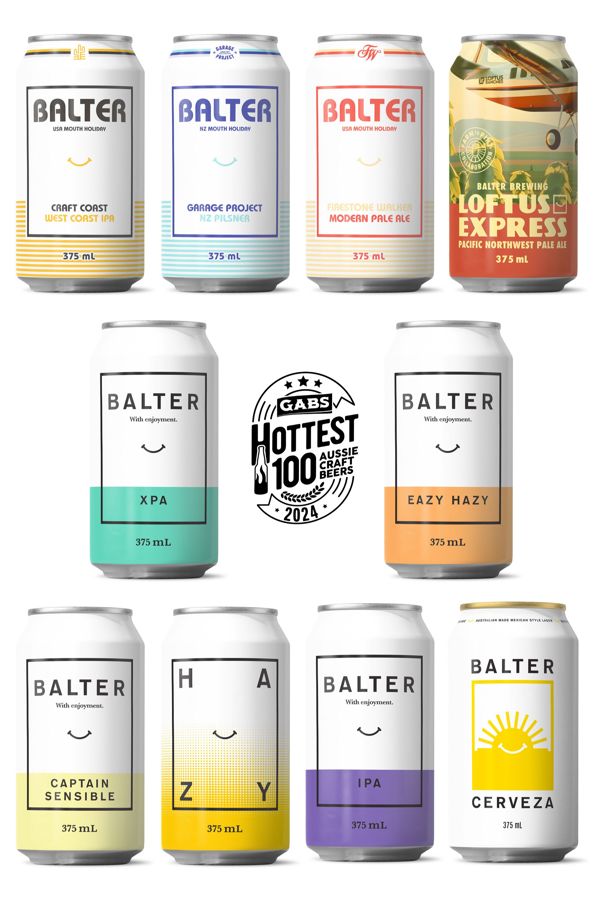
Getting the yeast happy and the fermentation dialled in is how you end up with beers that taste clean, balanced and full of flavour. Whether it’s a bright and punchy XPA, the smooth tropical vibes of Eazy Hazy, or the flavour-packed mid-strength goodness of Captain Sensible, it all comes back to careful brewing and well-managed fermentation.
When beer fermentation is done right, everything else falls into place.
So next time you crack a cold one, spare a thought for the hardest workers in the brewery: billions of tiny yeast cells quietly turning sugar into something worth cheering about.
Not bad for a microscopic workforce.