Ever Wondered How Beer is Made? Here’s a Helpful Guide (…Without Turning It into a Science Lecture!)
Ever wondered how beer is made? Fair question. It’s one of those things most of us happily drink without thinking too hard about. Cold can. Good mates. Job done. But behind every tasty beer is a whole lot of craft, care and a few very deliberate decisions. So here’s the straightforward run down on how beer is made, minus the lab coat energy.
Making Beer Starts with Four Simple Things
Beer, at its core, is built from four ingredients: water, malt, hops and yeast.
That’s it.
Of course, like any good recipe, the magic’s in how you use them.
- Water makes up the bulk of your beer. Sounds boring, but the mineral content can change everything, from how crisp a lager feels to how punchy an IPA finishes.
- Malt (usually malted barley) is where your beer gets its body, colour and that subtle sweetness. Think biscuit, toast, or caramel, depending on how it’s treated.
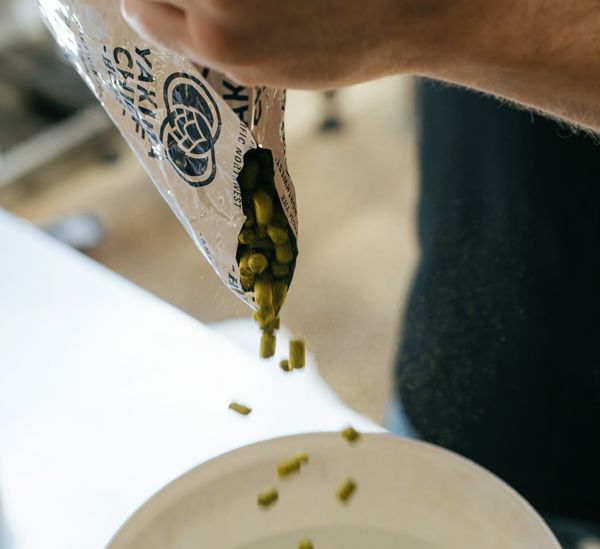
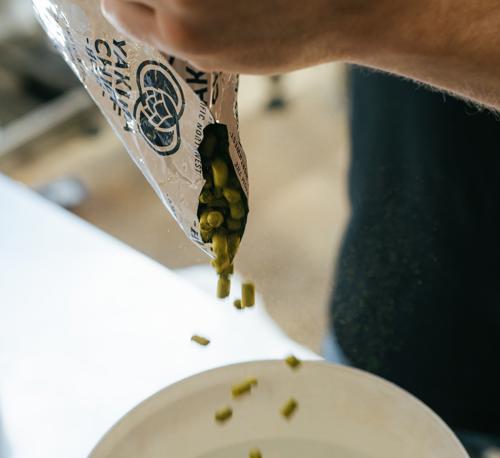
- Hops are the life of the party. They bring bitterness to balance the sweetness, plus aroma and flavour. Citrus, pine, tropical fruit, floral notes. It’s a proper flavour playground.
- Yeast is the quiet achiever. It eats the sugars from the malt and turns them into alcohol and carbonation. Without yeast, you’ve just got sweet grain tea. A lot of brewers are very secret about the strains they use for the best results.
Step One – Mashing Things Up
To understand how beer is made, you’ve got to start with the mash.
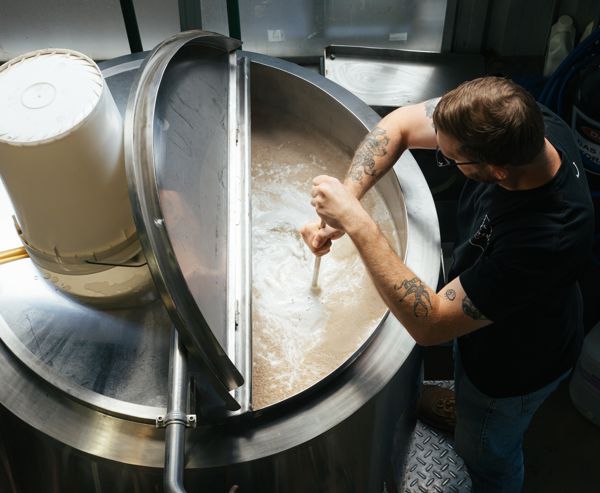
Crushed malt is mixed with warm water in a big vessel called a mash tun. The heat activates enzymes in the grain that convert starches into fermentable sugars. This sugary liquid (called wort) is what eventually becomes beer. Different temperatures and timings here affect the final result. Want something dry and crisp? Mash one way. After more body and sweetness? Adjust accordingly. It’s controlled chaos.
Step Two – Filtering It Out
Once we’ve got that sugary liquid (the wort), we need to separate it from the chunky, leftover grain. Enter the lauter tun, which is like a massive, industrial-sized sieve. The sweet wort filters down through it and safely heads off to the kettle for the next stage.
Left in the sieve is a massive pile of solid malt known as “spent grain”. None of it goes to waste, though. Once it’s done its job making your beer, we send it off to feed our local farmers’ cattle. Good for the brew, good for the cows.
Step Three – The Boil (Where Hops Shine)
Next up, the wort gets boiled. This is where hops enter the chat. Adding hops at different times during the boil changes what they bring to the table. Early additions boost bitterness. Late additions are all about flavour and aroma. This stage is crucial in shaping the personality of the beer. Clean and balanced. Big and bold. Light and zippy. It all starts here.
Step Four – Conditioning and Getting It Just Right
Once fermentation wraps up, the beer isn’t quite ready; it needs time to settle, mature and clean itself up. Think of it as a well-earned rest before showtime. Some beers are filtered. Some aren’t. Some are dry-hopped for extra aroma. Some are left crisp and simple. It all depends on what we’re chasing in the final glass.
Step Four – Fermentation (Let the Yeast Feast)
After boiling, the wort is cooled and transferred into a fermenter. Yeast is added, and that’s when things really get moving. Over several days (sometimes weeks), yeast converts the sugars into alcohol and CO₂. Temperature control is key. Too warm and you’ll get unwanted flavours. Too cold and the yeast might take a nap. This is one of the most important parts of how beer is made. It’s also where experience counts. Knowing how a particular yeast strain behaves, when to let it push and when to rein it in.
Step Five – Conditioning and Getting It Just Right
Once fermentation wraps up, the beer isn’t quite ready. It needs time to settle, mature and clean itself up. Think of it as a well-earned rest before showtime. Some beers are filtered. Some aren’t. Some are dry-hopped for extra aroma. Some are left crisp and simple. It all depends on what we’re chasing in the final glass.
From Brewhouse to Backyard
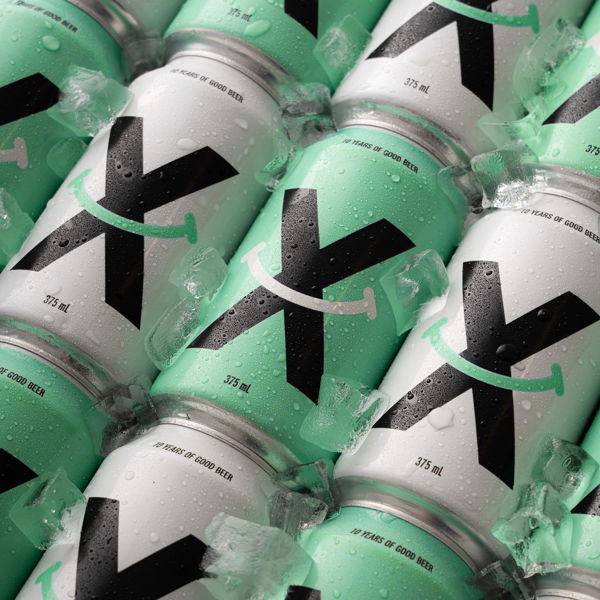
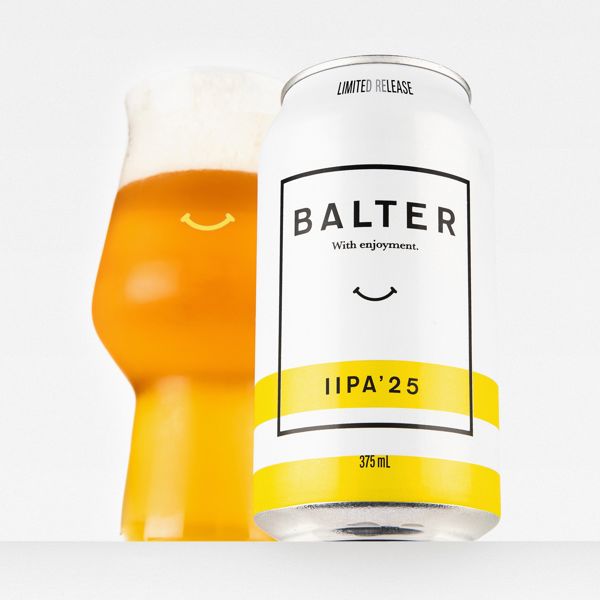
After all of that, the beer gets sealed in kegs or tins (which, let’s face it, are just mini kegs). We use something called ‘Cold Chain’ logistics to get it fresh to wherever it needs to go. But that’s a tale for another day. You now know the bones of how beer is made. Four ingredients. A handful of carefully managed steps. A whole lot of attention to detail.
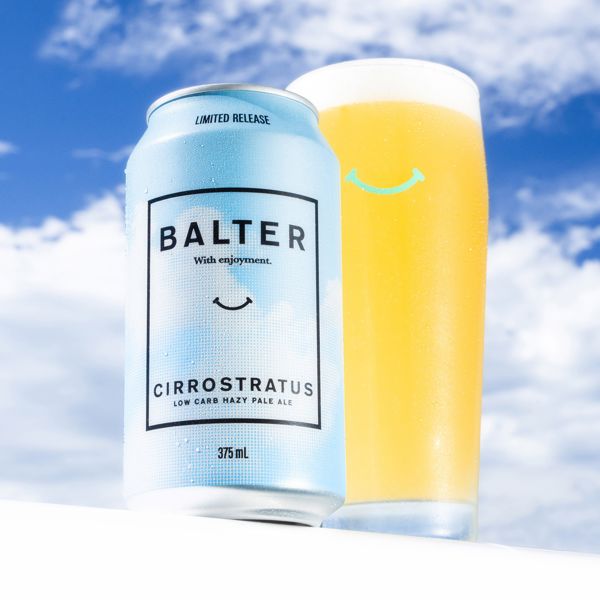
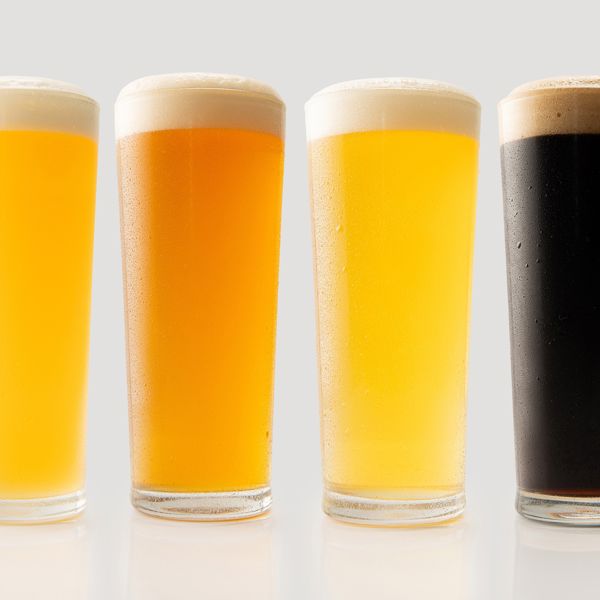
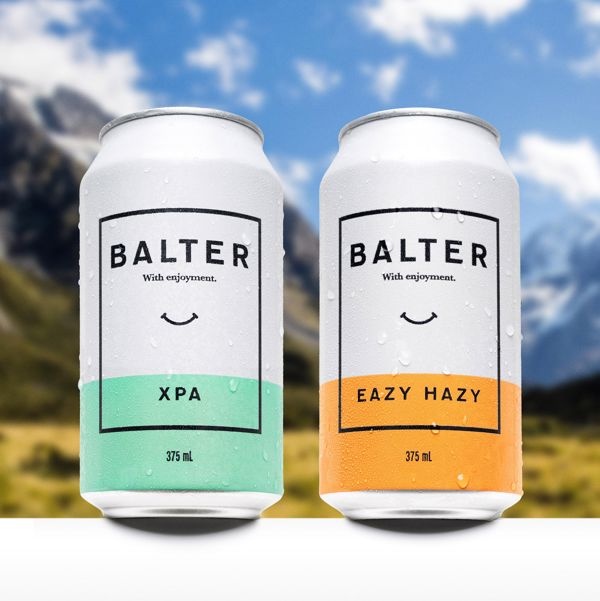
At Balter, we’re big believers that good beer should taste like good times. Every batch is brewed with precision, from water chemistry right through to final packaging. No shortcuts. No phoning it in. Whether it’s something punchy and hop-forward, a crisp refresher built for long arvos, or a dialled-in mid-strength that still pulls its weight, the process stays the same.
Respect the ingredients. Nail the balance. Brew it properly.
Because once you know how beer is made, you realise it’s equal parts science and feel. And when those two line up? That’s when you get a beer worth cracking.